Another cemetery has been added to the National Register of Historic
Places, but this one's a little different. It has dogs and cats and
iguanas and a lion cub.
The 116-year-old Hartsdale Pet Cemetery in the New York City suburbs is the first animal burial ground to win the honor.
The designation "is a fitting way to recognize the longstanding and
significant role pets have played in our national history and culture,"
said Carol Shull, interim Keeper of the National Register.
Kevin Moriarty, a historian for the register, said Friday that
Hartsdale is the only pet cemetery among the 2,698 cemeteries on the
register. He said Hartsdale is notable because it marks a sharp change
in how humans related to animals.
"It was in the early 20th century that pets began to be considered
family members rather than livestock," he said. "Before then, a dead
animal was likely to go out with the garbage."
The cemetery became popular with artists and celebrities — George Raft and Mariah Carey have buried pets there.
About 75,000 animals and 700 pet owners are buried at the cemetery,
which is on a woodsy slope in Hartsdale about 20 miles north of
Manhattan.
Its many evocative markers often draw tourists. One, written by a man
about his cat, says, "Here we sleep forever, I and my beloved Bibi, my
loving companion for fourteen years." Another marker has 16 pets' names
engraved into granite.
In 2008, a travel guide listed the cemetery among the world's 10 best
places to be entombed — along with the Taj Mahal and the Great
Pyramids.
Hartsdale briefly ran into trouble with state regulators last year
for allowing pet owners' ashes in with their animals, but the regulators
eventually relented.
Ed Martin Jr., president and director of the cemetery, said he was
delighted with the "honor and prestige" of the historic designation. A
celebration on the grounds is scheduled for Oct. 6.
Martin said the cemetery's new status may help him win grants to help preserve the cemetery.
"Some of the old mausoleums need to be patched up and some of the old
walkways," he said. "There are monuments that tip or sink. We take care
of it now out of operating funds, but it does add up."
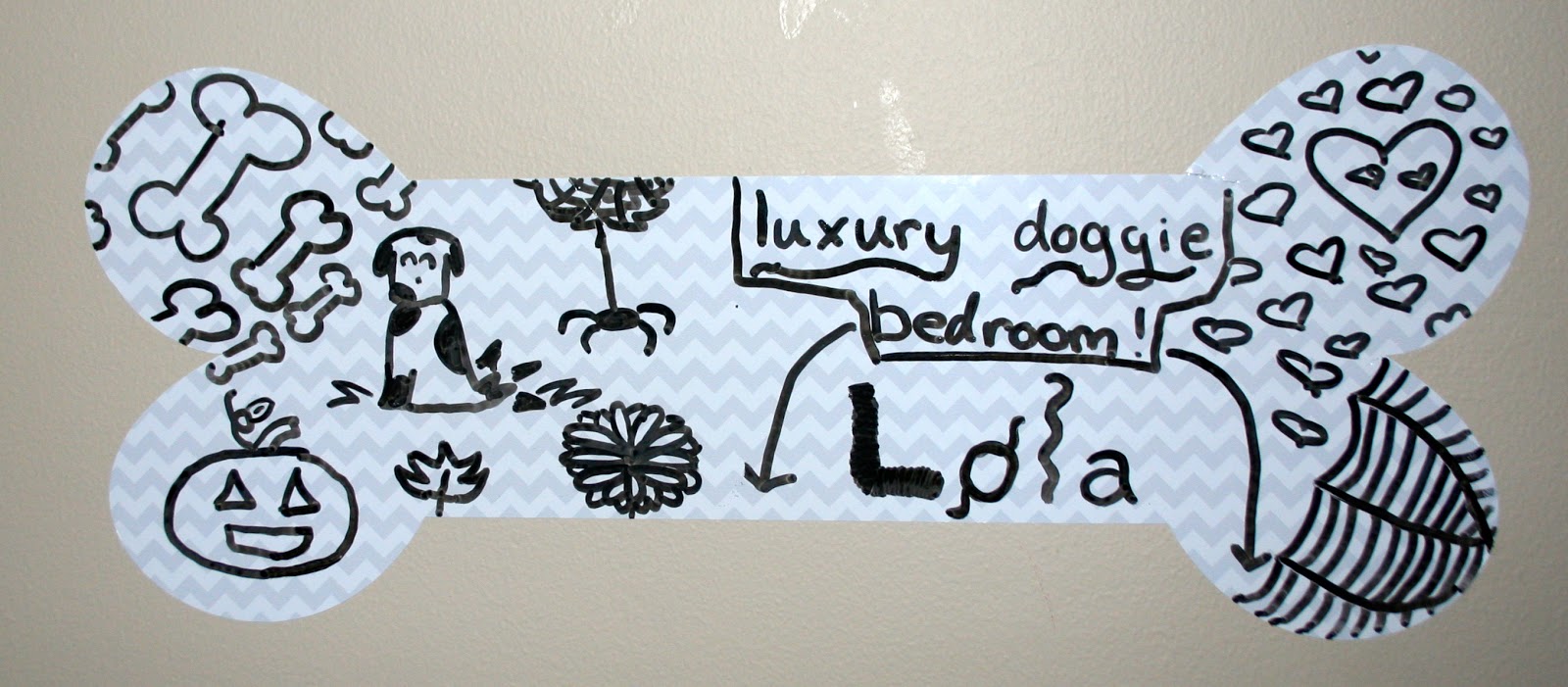
 Our friends at BumperPet sent us a dry erase decal in the shape of a dog bone. It's pretty nifty. You can apply it to any surface and it peels off easily when you have had your fill of it or want to stick it somewhere else. In addition to the dog bone, BumperPet's dry erase decals also come in in the shapes of many popular dog breeds. But, alas, no Tibetan Terrier silhouette at the moment.
 You might remember we wrote about BumperPet's removeable stickers that you can create with your favorite photos just about a year ago. We really liked the photo we created using a picture of Angus. You can see how we used it if you click here. BumperPet has so many cool pet inspired projects. You can check them out at bumperpet.com.


